Gardening Colindale: Recycling and Sustainability for Greener Gardens
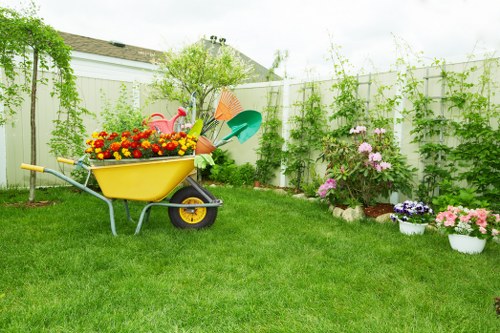 Gardening Colindale is committed to an eco-friendly waste disposal area and a thriving sustainable rubbish gardening area that supports neighbours, allotments and communal green spaces. Our approach blends practical on-site solutions with borough-wide systems so Colindale gardening projects can reduce waste, compost more, and contribute to a circular neighbourhood economy. We prioritise reuse, repair and responsible disposal across every project.
Our local recycling percentage target is ambitious: we aim for a 65% recycling rate for garden and household waste by 2028. This target aligns with progressive environmental goals and the Barnet borough's broader movement toward better waste separation — from mixed recycling to food and garden waste streams. In practice that means clear separation of paper, card, glass, metals, plastics and organic garden waste at collection points and community compost hubs, improving diversion from landfill and increasing local soil health.
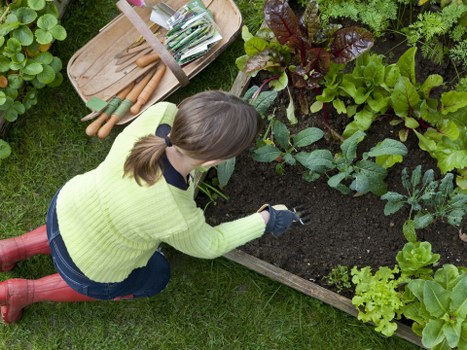 The boroughs approach to waste separation informs how our sustainable gardening rubbish areas are organised. Typical recycling activity in the area includes kerbside glass and plastic collection, separate food waste bins for anaerobic digestion, and dedicated garden waste services for seasonal pruning and leaf fall. Community-managed points host the following recycling actions:
- Green waste collection and composting for shared allotments and community beds
- Segregated containers for paper, card, glass and tins
- Small electrical items and battery drop-offs coordinated with borough collection days
Partnerships with charities and local organisations are central to making Colindale garden recycling effective. We work alongside reputable groups such as Groundwork London and food redistribution charities like The Felix Project to reclaim resources and redirect surplus where it's needed. These collaborations support community composting schemes, plant swaps and material recovery drives that turn potential rubbish into soil, seed stock and building materials for raised beds.
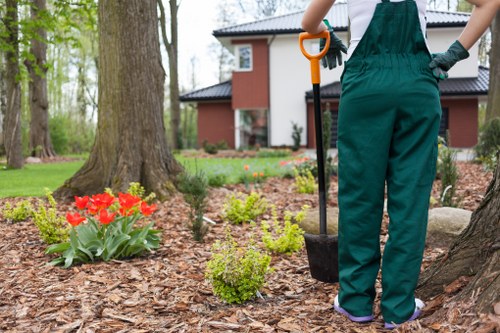 To reinforce the circular model, Gardening Colindale supports reuse networks and donation channels: usable pots, tools and timber get passed to partner charities and local allotments rather than being thrown away. Our network encourages residents to drop off reusable items at community exchange points or have them collected for redistribution. Charity partnerships amplify impact by ensuring second-hand gardening resources remain in circulation.
Local transfer stations and municipal recycling centres provide vital capacity for the neighbourhood. Colindale gardeners access nearby borough transfer hubs such as the Edgware Household Waste and Recycling Centre and municipal transfer stations serving North West London. These facilities accept large quantities of green waste, wood, soil and inert materials that cannot be processed at small community sites, enabling proper sorting, shredding and transfer to composting or recycling processors.
Operational efficiency also matters: our eco-friendly waste disposal areas are designed to reduce double-handling and contamination. By placing clearly labelled bins for garden waste, mixed recycling and landfill at communal garden gates and allotment entrances we lower contamination rates and speed up transfer to processing centres. Regular training sessions with volunteers demonstrate correct sorting — using visual prompts and colour-coded systems that match council kerbside rounds.
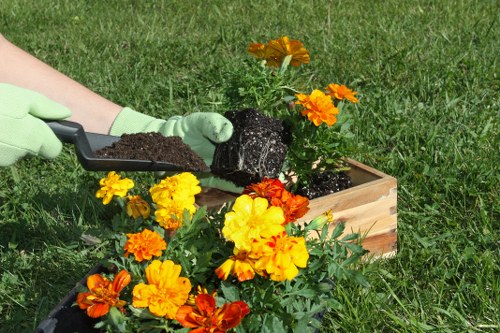 For collections and logistics, we are transitioning to a fleet of low-carbon vans and small electric vehicles for short hops between garden sites and transfer stations. These vehicles — many plug-in electric vans and efficient Euro-6 hybrids for longer trips — cut emissions associated with transporting bulky garden waste. The result is a lower-carbon supply chain for mulches, compost deliveries and recovered soils used in local planting schemes.
 Measuring progress is important: we track volumes of green waste composted, tonnes diverted from landfill and participation rates across community gardens. Periodic audits of the sustainable rubbish gardening area inform adjustments to bin placement, collection frequency and partnership activity. Gardening Colindale publishes high-level performance updates on targets and celebrates milestones like reduced contamination levels and new charity partners joining the reuse network.
Practical activities and community roles
Residents and garden groups can take part in the Colindale recycling programme by hosting mini compost bays, participating in seasonal bulky waste drives, and volunteering for collection rotas. Community-led sorting days help keep contamination low, and local volunteers act as stewards who explain the borough's waste separation rules. These activities help transform a typical rubbish heap into an organised, sustainable rubbish gardening area that benefits soil, biodiversity and neighbourhood resilience.
Long-term vision
The long-term vision for Colindale gardening is a network of interconnected green spaces where waste is a resource: material flows are reduced, reused and reintegrated into the landscape. By combining clear recycling targets, reliable transfer station support, charity partnerships and a low-emission vehicle fleet, Gardening Colindale is building an inclusive model for urban sustainability that other London neighbourhoods can adapt.
Join the movement — participate in your local compost hub, support reuse drives, and look out for low-carbon collections. Together we can meet and exceed our recycling percentage target while keeping Colindale's gardens clean, productive and climate-friendly.